
Is my Quality Improvement Project doomed to fail just like a New Year’s Resolution?
by Becci McKone. 2nd January 2024
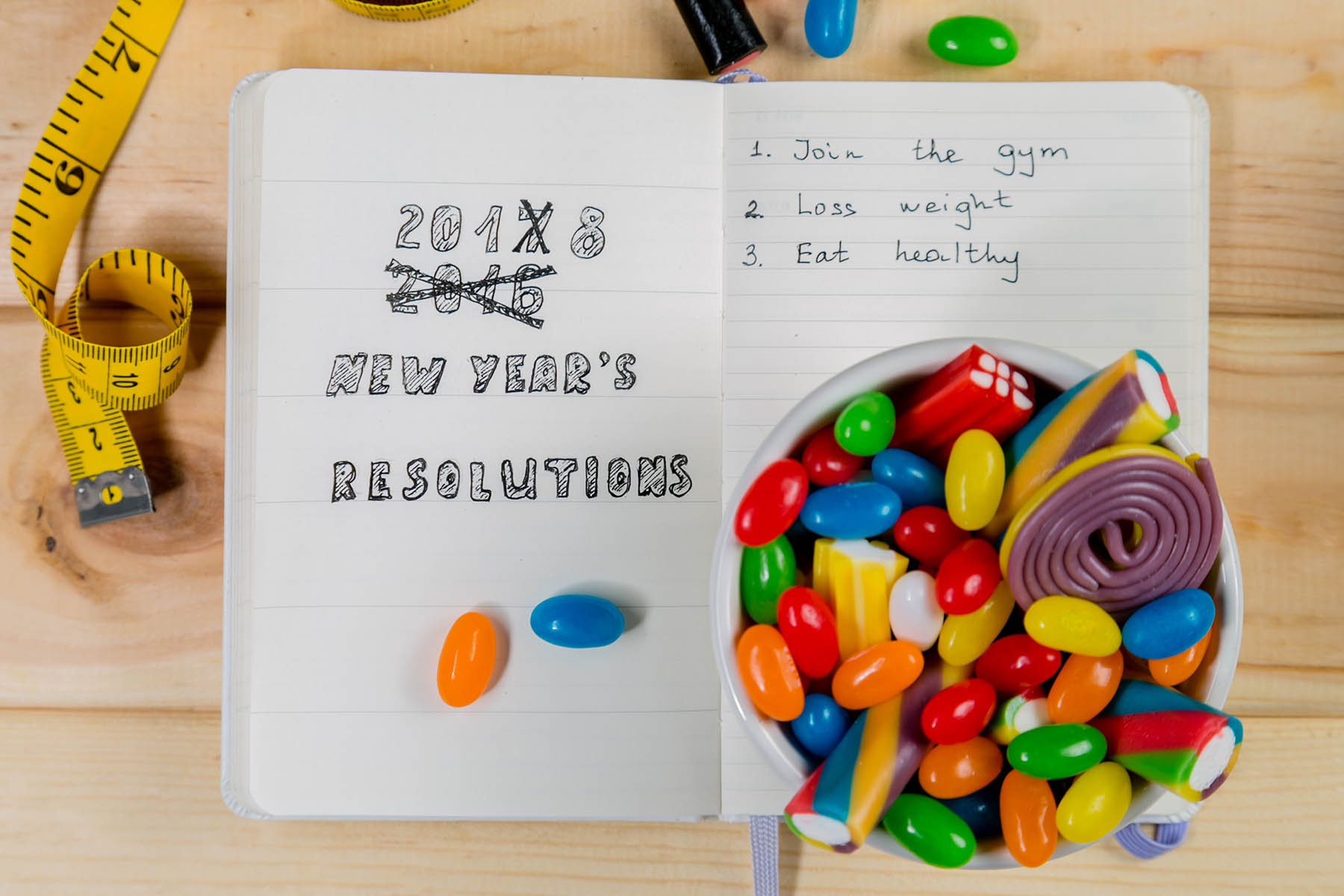
When I was crafting our QIClearn social media message for new year, it got me thinking about resolutions and why they so often fail. I realised that a New Year’s Resolution is a personal Quality Improvement Project and so the same conditions should be created to guarantee success. Research suggests that most New Year’s Resolutions are abandoned by March, so I can see why many people view QI as an insurmountable task. Many of our learners are in 6-month placements so enacting change and getting it to stick once they leave seems virtually impossible. Whilst others may wonder how we’ve found an effective way to help them succeed we’re happy to share what we’ve learnt.
When looking at the reasons why so many projects and resolutions fail the list is almost identical and these pitfalls can be avoided when you know what to look out for.
Under Pressure
When approaching the festive period, I find I’m constantly asked if I’m making any resolutions, I often feel under pressure to produce something – so I pull some big grand plan out of the air or I’m led by other people’s resolutions. What do they want to change about themselves? Is what I’m changing in line with what is expected of me? This results in an idea of change that you’re not invested in, there’s no excitement for it.
It’s Too Big!
Do you plan to join a gym and exercise 4-5 a week when you’ve previously done very little movement? Are you going to lose weight, drink less, sleep more? All of these are HUGE lifestyle changes. Try going smaller – can any of these things be broken down into smaller, less daunting and more achievable aims? Absolutely! Incremental changes are much more likely to be sustainable. Small changes are much more likely to become part of your new habits.
Understanding the Problem
Why do you want to sleep more or drink less? Both things are solutions (as New Year Resolutions are meant to be!) but it’s much more likely you can stick to these solutions if you’ve fully understood the problem. What are the contributing factors that lead you to drink ‘too much’ or sleep ‘too little’? Try listing out the reasons why you want to do these things and this may help you aim smaller too.
Get specific!
In my experience, we tend to move the goal posts. If you want to drink less, you may say ‘oh I won’t drink in the house’ but this may change to ‘I won’t drink in the house unless we have friends round’ or ‘I won’t drink in the house on a weekday’ OR you could end up changing your habits entirely and spending more time in the pub – an own goal perhaps? If you are specific with your aim and you have appropriate measures in place then there is much less chance of your plans going awry.
No one is an Island
How will you to keep a change going when everyone around you is doing it the same as they always have? It can be so disheartening! I’m not saying that everyone close to you needs to have the same resolution to support you. I’m saying that discussing the change that you want to make early in the process can help bring people on board. Help them understand the problem and nurture an environment where the change can thrive AND most importantly, be sustained.
In a QI project, the change must be something you can achieve and that’s within your sphere of influence. The project rarely affects one team though, there’s nurses, doctors, ward staff, intensive care units, receptionists, care assistants etc that all need to be on board. This is a much easier process if you involve them when you’re formulating ideas for change – you may even be given some great ideas from a whole new perspective. Sharing your project is such an important step in getting a change to last once you’re gone and it is all too often overlooked.
So whether you’re considering a New Year’s Resolution, made one already that may need some tweaking in order to succeed or starting a Quality Improvement project, remember these key points:
- Don’t stress
- Go smaller
- Go deeper
- Be clear
- Don’t go it alone
Change can become your new habit 